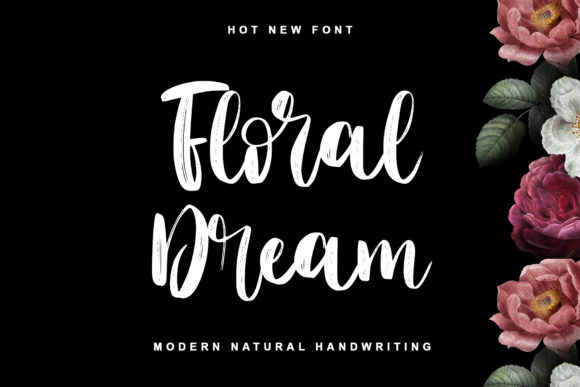
Floral Dream: Elevating Design with Elegant Handwritten Typography
In the vast landscape of digital design, typography serves as the voice of your visual message. While bold sans-serifs shout and traditional serifs speak with authority, there is a distinct need for fonts that whisper elegance and intimacy. This is where Floral Dream enters the conversation. As a delicate and elegant brushed handwritten font, it bridges the gap between professional polish and personal touch, offering designers a versatile tool for projects that require warmth, sophistication, and a human element.
For creators, business owners, and hobbyists alike, understanding the nuances of a typeface like Floral Dream is essential. It is not merely a collection of letters; it is a stylistic choice that communicates emotion. This article explores the characteristics, practical applications, and technical advantages of Floral Dream, helping you determine if this typeface is the right fit for your next creative endeavor.
The Aesthetic Appeal of Brushed Handwriting
The popularity of handwritten fonts has surged in recent years, driven by a cultural shift towards authenticity and personalized experiences. However, not all script fonts are created equal. Some mimic the rigid structure of printed text, while others emulate the free-flowing nature of actual handwriting. Floral Dream falls into the latter category, specifically utilizing a "brushed" style.
A brushed font mimics the look of lettering created with a flexible brush pen or marker. This results in varying stroke widths—thick downstrokes and thin upstrokes—that create a dynamic rhythm across the page. The elegance of Floral Dream lies in its balance. It is delicate enough to feel airy and light, yet structured enough to remain legible. This duality makes it an excellent choice for designs that need to feel both high-end and approachable.
When you incorporate Floral Dream into a layout, you are effectively adding a layer of emotional context. It suggests care, attention to detail, and a sense of occasion. Unlike standard system fonts, which can feel sterile or corporate, this typeface invites the viewer to slow down and appreciate the aesthetic details.
Key Features and Technical Advantages
Beyond its visual appeal, Floral Dream offers specific technical features that enhance its usability for professional designers. Understanding these features can significantly improve your workflow and the final quality of your designs.
PUA Encoding for Seamless Access
One of the most significant advantages of Floral Dream is that it is PUA encoded. For those unfamiliar with technical typography terms, PUA (Private Use Area) encoding is a method that allows all glyphs, alternates, and swashes to be accessed directly through standard character maps or keyboard shortcuts, without the need for specialized software plugins.
This means you can easily access decorative flourishes, alternative letterforms, and connecting swashes with ease. In practical terms, this saves time and reduces frustration. Instead of hunting through complex OpenType panels, you can simply type or select the characters you need. This feature is particularly valuable for designers who work across different platforms or who may not have access to advanced typography tools.
Versatility in Weight and Style
While Floral Dream is characterized by its delicate nature, it maintains sufficient contrast to stand out against various backgrounds. The brush strokes are clean, avoiding the messy or overly distressed look that can sometimes plague handwritten fonts. This cleanliness ensures that the text remains readable even at smaller sizes, although it is primarily designed for display purposes.
Practical Applications and Real-World Scenarios
The true value of a font is revealed in its application. Floral Dream’s personalized style makes it suitable for a wide array of design projects. Below are some common scenarios where this typeface shines:
- Wedding Invitations: Perhaps the most natural home for Floral Dream is in wedding stationery. The font’s romantic and elegant vibe perfectly complements the celebratory nature of weddings. It works beautifully for couple names, dates, and headers, creating a cohesive and sophisticated look.
- Thank You Cards: Gratitude is a personal emotion, and a handwritten font reinforces that sentiment. Using Floral Dream on thank you cards adds a layer of sincerity and warmth that block letters cannot achieve.
- Greeting Cards: Whether for birthdays, anniversaries, or holidays, greeting cards benefit from the friendly and inviting tone of this font. It allows the message to feel like it was written by hand, even when digitally printed.
- Logos and Branding: For businesses in the beauty, wellness, floral, or boutique sectors, Floral Dream can serve as an excellent logo font. It conveys femininity, elegance, and artisanal quality. However, it should be used sparingly in branding—typically for the brand name rather than body text.
- Social Media Graphics: In the age of Instagram and Pinterest, visually appealing quotes and announcements are crucial. Floral Dream can be used to highlight key phrases or quotes, adding visual interest to otherwise plain images.
Who Benefits from Using Floral Dream?
Different users will find different values in this typeface. Here is a breakdown of who might benefit most from incorporating Floral Dream into their toolkit:
- Graphic Designers: Professionals looking for a reliable script font that offers extensive glyph support without technical hurdles. The PUA encoding makes it a efficient choice for client projects with tight deadlines.
- Small Business Owners: Entrepreneurs creating their own marketing materials, packaging, or social media content. Floral Dream allows them to maintain a professional yet personal brand identity without hiring a custom lettering artist.
- Wedding Planners and Stationers: Individuals specializing in event design who need fonts that align with romantic and elegant themes. The font’s versatility allows it to pair well with various floral and minimalist design elements.
- Hobbyists and Crafters: Those creating DIY projects, such as homemade cards, scrapbooks, or party decorations. The ease of use and aesthetic appeal make it accessible even to those with limited design experience.
Evaluating Suitability: When to Use and When to Avoid
While Floral Dream is a powerful design tool, it is not a one-size-fits-all solution. Effective design requires matching the font to the context. Here are some guidelines for evaluating its suitability:
Ideal Use Cases
Use Floral Dream when your goal is to evoke emotion, elegance, or personal connection. It excels in short bursts of text, such as headlines, titles, and signatures. It pairs exceptionally well with clean, simple sans-serif fonts for body text, creating a balanced contrast between the decorative header and the readable content.
Limitations and Considerations
There are scenarios where Floral Dream may not be the best choice:
- Long Body Text: Like most script fonts, Floral Dream is not designed for paragraphs of text. Its intricate strokes can become difficult to read in small sizes or long passages. Always reserve it for display purposes.
- High-Impact, Bold Messaging: If your design requires a loud, aggressive, or ultra-modern tone, a delicate brush script may feel out of place. In such cases, a bold sans-serif or slab serif would be more appropriate.
- Low-Resolution Displays: While generally clean, very fine brush strokes can sometimes lose definition on low-resolution screens or poor-quality prints. Always test your design in the final medium to ensure legibility.
Tips for Maximizing Impact
To get the most out of Floral Dream, consider these practical tips:
First, kerning matters. Even with PUA encoding, you may need to adjust the spacing between certain letter pairs to ensure a natural flow. Pay attention to how the tails of letters connect or interact with neighboring characters.
Second, use color strategically. Soft pastels, deep navy, or classic black often complement the elegance of this font. Avoid neon or overly bright colors that might clash with its sophisticated vibe.
Finally, embrace white space. Delicate fonts like Floral Dream need room to breathe. Crowding the text with other elements can diminish its impact. Allow the typography to be the focal point of your design.
Conclusion
Floral Dream represents more than just a set of characters; it is a design asset that brings warmth, elegance, and personality to any project. Its combination of delicate brushed strokes and user-friendly PUA encoding makes it a valuable addition to any designer’s library. Whether you are crafting wedding invitations, designing a boutique logo, or simply adding a personal touch to a greeting card, this font offers the versatility and beauty needed to elevate your work.
By understanding its strengths and limitations, you can use Floral Dream effectively to communicate your message with clarity and style. In a world saturated with generic digital content, choosing a typeface that feels human and handcrafted can make all the difference in connecting with your audience.