Evaluating the Farmhouse Window Laser Cut File Vintage for Precision Crafting
The intersection of digital design and physical craftsmanship has transformed how creators approach home decor and artisanal projects. Among the myriad of digital assets available, the Farmhouse Window Laser Cut File Vintage stands out as a specialized resource for those utilizing laser cutting technology. This asset is not merely a graphic; it is a functional blueprint designed to translate digital precision into tangible, rustic aesthetics. For professionals, hobbyists, and small business owners alike, understanding the nuances of this file type is essential for maximizing its potential in real-world applications.
This article examines the practical utility, technical specifications, and creative versatility of the Farmhouse window Cut file Vintage Glowforge project. By analyzing its structure and intended use, we can determine its value within a modern maker’s workflow.
Technical Specifications and File Compatibility
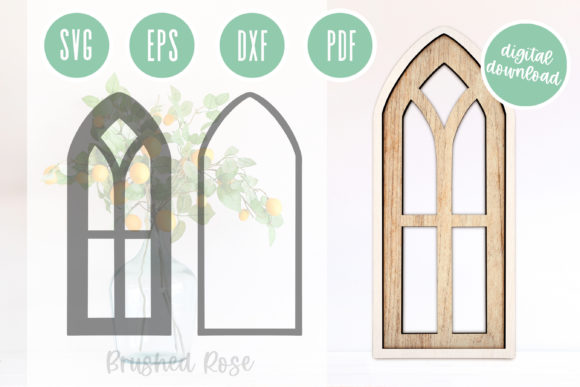
One of the primary considerations when selecting digital cut files is compatibility with hardware. The Farmhouse Window Laser Cut File Vintage is distributed in four distinct formats: SVG, EPS, DXF, and PDF. This multi-format approach ensures broad accessibility across various software ecosystems and laser cutting machines.
- SVG (Scalable Vector Graphics): Ideal for web-based design tools and software like Cricut Design Space or Silhouette Studio. It maintains clarity at any scale, ensuring clean cuts regardless of project size.
- EPS (Encapsulated PostScript): A standard for professional graphic design software such as Adobe Illustrator. This format allows for advanced editing of nodes and paths, giving experienced designers full control over the cut lines.
- DXF (Drawing Exchange Format): Commonly used in CAD programs and compatible with many industrial laser cutters. It is particularly useful for users who prefer technical drawing environments.
- PDF (Portable Document Format): Provides a visual reference and can be imported into certain cutting software for quick prototyping without extensive vector editing.
The inclusion of these formats demonstrates a thoughtful approach to user needs. Whether you are a freelancer using high-end design suites or a hobbyist relying on user-friendly apps, the file structure supports your existing workflow. Furthermore, the files come in black and white, which is the standard requirement for laser cutting software to distinguish between cut lines, engrave areas, and ignore spaces. This simplicity reduces preprocessing time, allowing creators to move quickly from download to production.
Design Integrity and Aesthetic Appeal
The core appeal of the Farmhouse window Cut file Vintage lies in its ability to replicate the charm of traditional architecture through modern manufacturing methods. The design features intricate latticework and framing elements that mimic the look of aged, vintage windows. This aesthetic is highly sought after in current interior design trends, particularly within the farmhouse, rustic, and shabby-chic categories.
From a design perspective, the balance between detail and structural integrity is critical. Laser cutting materials such as wood, acrylic, or MDF requires careful consideration of bridge widths and negative space. If the details are too fine, the material may break during removal or handling. If they are too thick, the delicate "vintage" illusion is lost. This specific file has been tested on the Glowforge, a popular desktop laser cutter, suggesting that the vector paths have been optimized for typical consumer-grade machines. This testing phase is a significant indicator of quality, as it implies that the kerf (the width of the cut) and node placement have been verified for successful execution.
The visual result is a piece that adds depth and texture to any space. When backlit or mounted against a contrasting background, the cutouts create dynamic shadows, enhancing the three-dimensional feel of the decor. This makes the file suitable not just for static wall art, but for functional items like lamp shades, room dividers, or decorative panels.
Practical Applications and Versatility
The versatility of the Farmhouse Window Laser Cut File Vintage extends beyond simple wall hangings. Creators can adapt this asset for a wide range of products, increasing its return on investment. Here are several practical applications:
- Home Decor Accents: The most common use is creating framed art pieces. By layering the cut window frame over a painted background or fabric, creators can achieve a sophisticated, layered look.
- Seasonal Displays: The open framework of the window design allows for easy customization. Users can insert seasonal elements—such as paper flowers for spring or snowflakes for winter—behind the cutout, making it a year-round asset.
- Wedding and Event Decor: The vintage aesthetic aligns well with rustic wedding themes. These cut files can be scaled up to create photo backdrops or scaled down for table centerpieces and place card holders.
- Functional Lighting: When cut from translucent acrylic or thin wood veneer, the design can serve as a lampshade or lantern cover, casting intricate patterns when illuminated.
For small business owners, this flexibility is crucial. Offering a single design in multiple product forms allows for diverse inventory without the need for constant new design creation. It streamlines the production process while maintaining a cohesive brand aesthetic.
Usability and Workflow Efficiency
Efficiency in digital crafting is often determined by the ease of file preparation. The Farmhouse Window Laser Cut File Vintage is designed to minimize friction in this stage. Because the files are pre-vectorized and cleaned, users do not need to spend hours tracing images or fixing broken paths. This "ready-to-cut" nature is particularly valuable for professionals managing tight deadlines or high-volume orders.
However, users should remain aware of material constraints. While the file is optimized for laser cutting, the choice of material significantly impacts the final outcome. Wood grain direction, acrylic brittleness, and cardboard layering all require adjustments in power and speed settings. The fact that the file has been tested on the Glowforge provides a reliable baseline for settings, but users with different machines (such as CO2 lasers or diode lasers) will still need to perform test cuts. This is a standard practice in laser cutting and should not be viewed as a limitation of the file, but rather as a necessary step in responsible craftsmanship.
Target Audience and Value Proposition
Who benefits most from this digital asset? The primary audience includes:
- Etsy Sellers and Artisans: Individuals looking to expand their product lines with low-overhead, high-margin items. The vintage farmhouse niche remains robust, and this file offers a quick entry point.
- Interior Designers and Stagers: Professionals who need custom, scalable decor elements for client projects. The ability to resize the SVG without loss of quality is a significant advantage here.
- Hobbyists and Makers: Enthusiasts who enjoy the process of creating personalized home goods. The file provides a professional starting point that elevates the quality of DIY projects.
- Educators: Teachers in STEM or art classes can use this file to demonstrate vector design principles and laser safety protocols.
The long-term value of the Farmhouse window Cut file Vintage Glowforge project lies in its durability as a digital asset. Unlike physical inventory, digital files do not degrade, lose shape, or require storage space. Once purchased, the file can be used indefinitely for personal or commercial projects, depending on the license terms. This makes it a cost-effective addition to any creator’s library.
Considerations for Optimal Results
To ensure the best results when using the Farmhouse Window Laser Cut File Vintage, consider the following recommendations:
First, always verify the scale before cutting. What looks appropriate on a screen may be too large or small for your intended material. Use the PDF or a preview mode in your software to check dimensions against your material sheet size.
Second, pay attention to the nesting of parts. If the design includes multiple separate pieces (such as the frame and inner lattice), ensure they are arranged efficiently on your material to minimize waste. Some software allows for automatic nesting, which can save significant material costs over time.
Finally, post-processing is key to achieving a polished look. Laser-cut edges, especially on wood, may have charring. Sanding, painting, or sealing the edges can enhance the vintage appearance and protect the material from environmental factors. The black and white nature of the source file means that color application is entirely up to the creator, offering unlimited customization potential.
In conclusion, the Farmhouse Window Laser Cut File Vintage represents a well-executed digital resource for laser cutting enthusiasts and professionals. Its compatibility, tested reliability, and aesthetic versatility make it a practical tool for creating high-quality, vintage-inspired decor. By understanding its technical requirements and creative possibilities, users can effectively integrate this asset into their workflows, producing results that are both visually striking and structurally sound.